Persistent pain
Dull, burning or stabbing pain, constant or in flare-ups.
Cureal treatment spectrum
Chronic pain is one of the most widespread diseases in Germany and can severely restrict everyday life, sleep, mobility and psychological resilience. Cureal provides a medical assessment of medical cannabis as a possible complementary treatment option.
Context
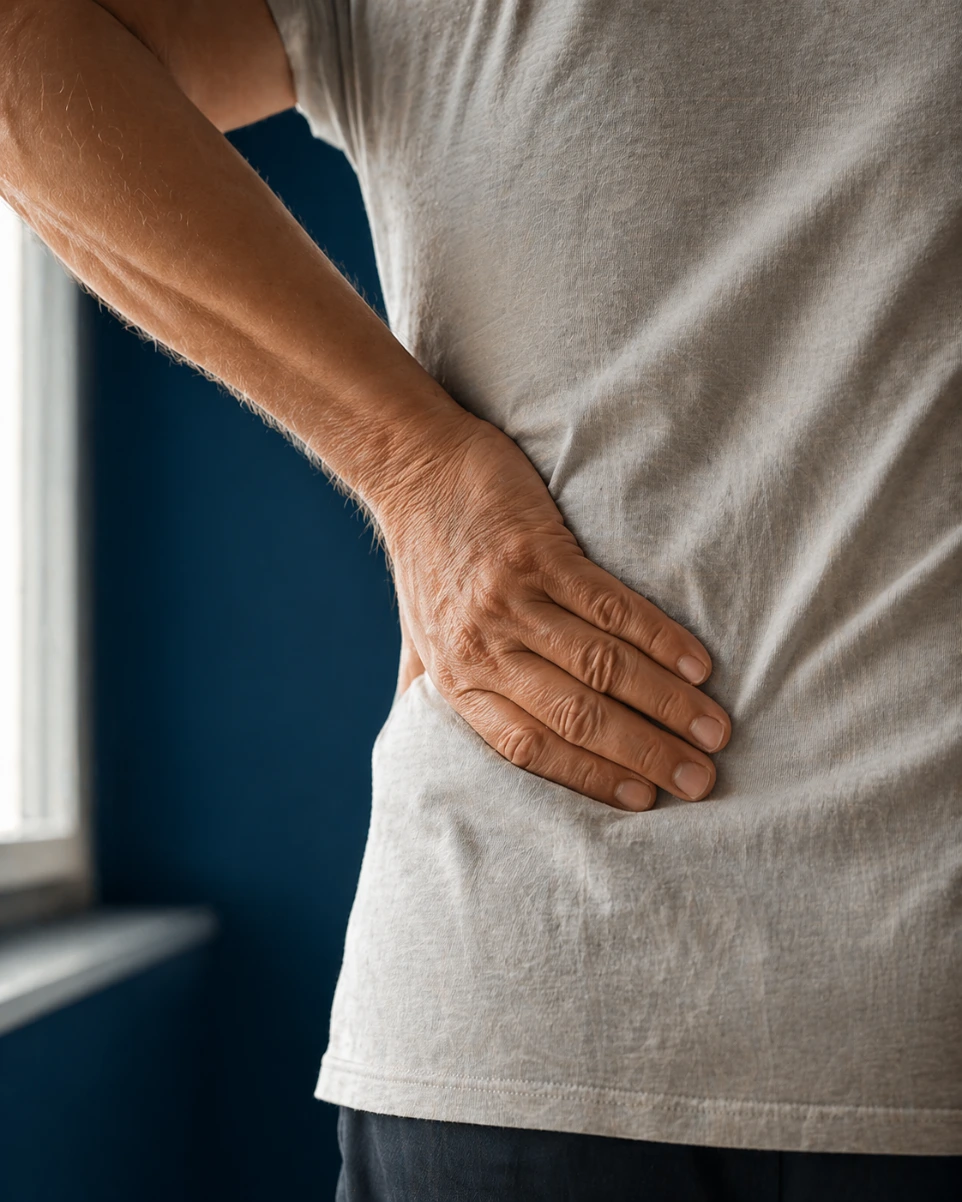
Chronic pain lasts longer than three months or keeps recurring over this period. In Germany an estimated 23 million people live with chronic pain, which makes it one of the most widespread diseases of all. Common forms are back pain, headaches, joint complaints and neuropathic pain after nerve injuries.
Persistent pain does not only affect the body. Many patients also report sleep disorders, exhaustion, low mood, social withdrawal or severe restrictions in everyday life.
For many of those affected, conventional painkillers reach their limits. Medical cannabis has been regarded as a possible complement for years and is one of the most common indications for cannabis therapy in Germany.
Back pain is one of the most common forms of chronic pain and one of the most frequent reasons why patients ask about medical cannabis.
Whether cannabis therapy is an option for back pain is clarified in an individual medical assessment: medical history, physical examination and imaging if needed, just as with any other form of chronic pain. There is no general answer, as the causes and course of back pain can vary greatly.

Symptoms and burden
Chronic pain often has an effect on several levels. These points do not replace a diagnosis but help with an initial assessment.
Dull, burning or stabbing pain, constant or in flare-ups.
Protective postures, tension and less activity in everyday life.
Problems falling asleep, waking frequently or unrefreshing sleep because of pain.
Exhaustion, problems concentrating, low mood or withdrawal.
Medical history, examination and imaging if needed help to narrow down the causes.
Medical cannabis can be a complementary option if it is medically appropriate.
Diagnostic work-up
Chronic pain is not identified by a single test but through a careful investigation of its causes.
The diagnosis requires a thorough medical history, a physical examination and, if needed, imaging such as MRI, CT or X-ray. If neuropathic pain is suspected, neurological tests are also used.
The aim is to narrow down the cause as precisely as possible so that therapy can be planned in a targeted way. A careful work-up is a prerequisite for every further treatment decision, including a possible cannabis therapy.
Conventional treatment
Modern pain therapy rests on several pillars. Medication is only one building block alongside exercise, psychotherapy and adjustments to everyday life.
Depending on the cause, anti-inflammatory painkillers (NSAIDs), anticonvulsants and antidepressants at pain-relieving doses and, in certain cases, opioids are used. Opioids are considered controversial because of their side effects and potential for dependence and are used with restraint.
Choice of active substance by type of painPhysiotherapy, psychotherapy and alternative methods complement drug treatment:
Cannabis and pain
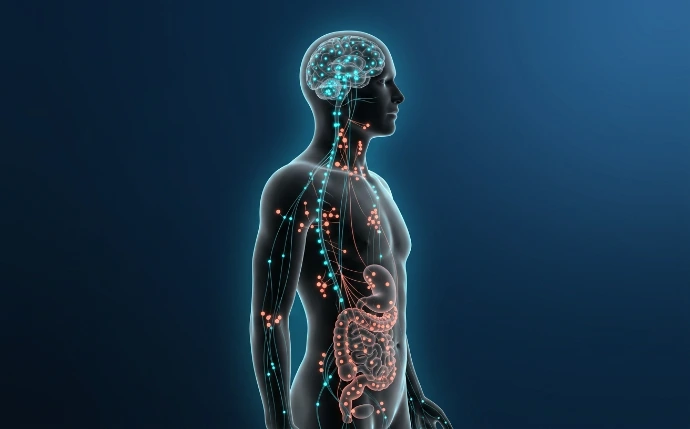
The endocannabinoid system is involved in pain processing, inflammation and stress responses. THC and CBD can influence these signalling pathways, but their effects vary from person to person and they are not suitable for every patient.
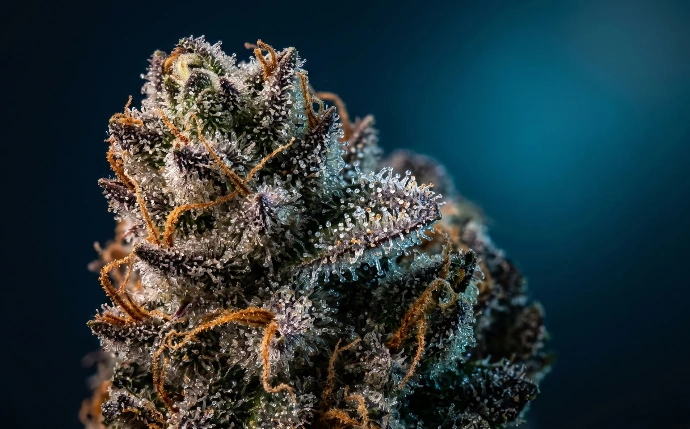
THC can modulate pain signals but has psychoactive effects. CBD is not intoxicating and is often discussed in the context of inflammation, muscle tension and daytime tolerability. The choice belongs in a medical consultation.
History
Cannabis is one of the oldest documented medicinal plants. Its use against pain spans thousands of years and several cultures.
As early as around 2900 BC, the Chinese herbal of Emperor Shen Nung described hemp for pain and exhaustion, and in India's Ayurvedic tradition cannabis was also one of the classic medicinal plants. In 1839 the Irish doctor William O'Shaughnessy brought the medical use of cannabis to Europe. Since the Cannabis as Medicine Act of 2017 and the Cannabis Act of 2024, medical cannabis has been available on prescription in Germany, and chronic pain has since been one of the most common indications.
Evidence
For chronic pain, the scientific evidence is relatively well developed compared with other indications.
A survey of 244 cannabis patients with chronic pain: 118 reported a clear reduction in their opioid use, and many also reported fewer medication side effects and a better quality of life.
A randomised, placebo-controlled study over 5 weeks in rheumatoid arthritis: a cannabis extract showed a significant improvement in pain on movement and at rest and in sleep quality, with good tolerability.
Neuropathic pain arises from nerve injuries and is one of the common forms of chronic pain. Within the pain spectrum, the research on cannabinoids for neuropathic pain is regarded as relatively well studied compared with other forms of pain, as the reviews mentioned above also show. Here too, cannabis therapy does not replace existing treatment and is always assessed individually by a doctor.
Legal situation
Access to medical cannabis is considerably easier today than it was only a few years ago. Medical cannabis has been available on prescription in Germany since 2017, and the change in the law in 2024 made access easier still for patients.
Chronic pain is one of the most common indications for medical cannabis in Germany. German statutory health insurers cover the costs in certain cases; checking the individual case in advance is advisable.
Process
Cannabis on prescription for chronic pain is not a standard prescription: the decision for or against cannabis therapy is always made by the treating doctor in the individual appointment.
Symptoms, duration of pain, previous treatments and current medication are discussed.
The doctor assesses whether medical cannabis is medically justifiable for the individual situation.
If the therapy is suitable, a prescription can be issued and the next steps explained.
Treatment starts cautiously and is adjusted according to effect and tolerability.
Progress, side effects and fitness to drive are reviewed regularly.
Context
Chronic pain is not about a one-size-fits-all strain or prescription. What matters is the type of pain, daily rhythm, previous illnesses, interactions and the goal of treatment.
Frequently asked questions
These answers give you initial orientation. The specific assessment for your situation is made by the treating doctor.
Some patients report lower pain intensity and a better quality of life, and in some cases relief of accompanying symptoms such as sleep problems or muscle tension. The response varies from person to person: some benefit clearly, others little. Possible side effects are dizziness, a dry mouth and tiredness.
Back pain is one of the most common forms of chronic pain and therefore a frequent reason for enquiries to Cureal. Whether cannabis therapy is an option is clarified by the treating doctor through the medical history and diagnosis, as with other forms of chronic pain. There is no general recommendation, as the causes and course of back pain can vary greatly from person to person.
The choice of strain depends on the type of pain and your daily routine. THC-dominant strains can have a strong pain-relieving effect but have psychoactive effects and are often better suited to the evening. CBD-dominant strains are not intoxicating, are regarded as anti-inflammatory and antispasmodic and are better suited to use during the day. Combination products with a balanced THC-CBD ratio allow individual adjustment. The right choice is discussed in the initial medical consultation.
That depends heavily on the form of administration. Inhaled cannabis (a vaporiser with cannabis flowers) usually works within a few minutes and lasts two to four hours. Medications taken by mouth, such as oils or capsules, work more slowly, often only after 30 to 90 minutes, but last six to eight hours.
Stable pain relief in everyday life can usually only be judged after several days to weeks of careful adjustment.
Possible side effects are dizziness, a dry mouth, tiredness, mild problems concentrating and a temporary increase in heart rate. If the THC dose is too high, drowsiness or feelings of anxiety can occur. Most side effects depend on the dose and can be reduced by a careful choice of dose and strain. Particular caution is needed with cardiovascular disease, previous mental illness or pregnancy.
Compared with opioids and benzodiazepines, the potential for physical dependence of medical cannabis is regarded as low. Psychological habituation is possible, above all with permanently high doses of THC. Under medical dose control within a therapeutic framework, this risk falls noticeably. If therapy is stopped, this should be done gradually and together with the treating doctor.
Anyone whose reaction time is impaired by cannabis therapy must not drive. Especially at the start of therapy and after dose adjustments, reaction time is often reduced. Recommendation: do not drive yourself during the first days of adjustment and, if in doubt, ask the treating doctor.
The total costs consist of the initial consultation, repeat prescriptions and the cannabis medications from the pharmacy. At Cureal the initial consultation costs €39, a follow-up appointment €29 and a repeat prescription €19. The monthly pharmacy costs depend on the strain and dosage and are discussed individually in the initial consultation.
Related topics
Chronic pain often occurs together with other conditions. These topics are closely linked.
A chronic pain syndrome with marked exhaustion and tenderness to pressure.
Go to pageRecurring, attack-like headaches that often place a heavy burden on everyday life.
Go to pagePain and spasticity are among the common accompanying symptoms of the disease.
Go to pageIf previous treatments are not enough or are poorly tolerated, a medical consultation can clarify whether medical cannabis is an option for your situation.