Throbbing pain
Often one-sided headaches lasting 4 to 72 hours, often made worse by exertion.
Cureal treatment spectrum
Migraine is a neurological disease with recurring headache attacks, nausea and marked sensitivity to light or noise. Cureal provides a medical assessment of medical cannabis as a possible complementary treatment option.
Context
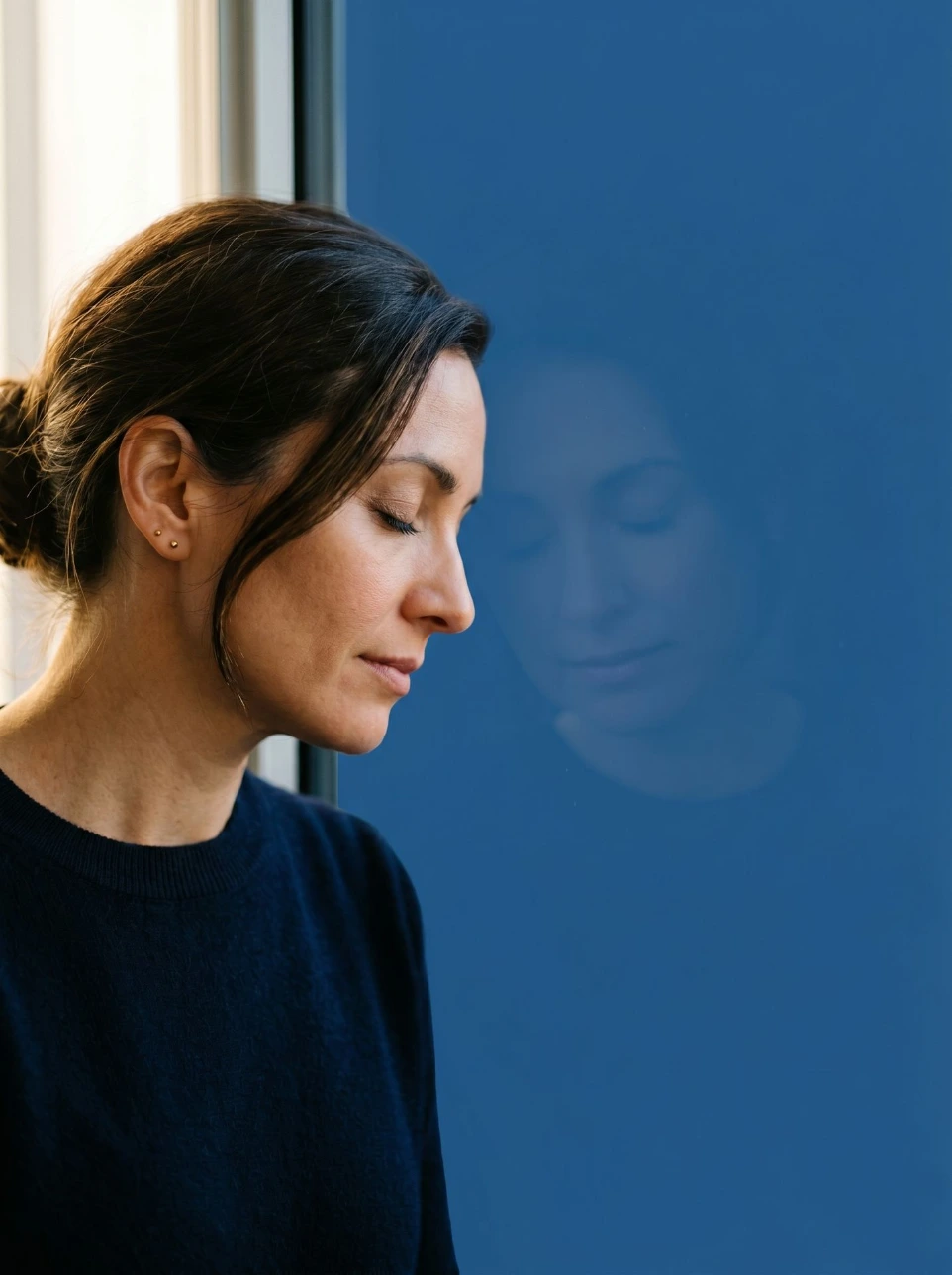
Migraine is a chronic headache disorder with recurring attacks and, according to the WHO, one of the most common neurological diseases worldwide. In Germany about 14.8 per cent of women and 6 per cent of men are affected.
Typical features are one-sided, throbbing pain, nausea, sensitivity to light, sensitivity to noise and, in some of those affected, aura symptoms. The cause is a complex interaction of genetic predisposition, neurovascular processes and individual triggers.
Triggers can be stress, lack of sleep, hormonal fluctuations, certain foods, changes in the weather or being overstretched. A precise diagnosis and a headache diary help with planning therapy.

Symptoms and triggers
Migraine differs from person to person. These points do not replace a diagnosis but help with an initial assessment.
Often one-sided headaches lasting 4 to 72 hours, often made worse by exertion.
Bright light, sounds or strong smells can be almost unbearable during an attack.
Gastrointestinal symptoms, up to vomiting, can occur before or during the peak of pain.
Flickering, flashes of light, blind spots or sensory disturbances are possible.
Stress, lack of sleep, hormonal fluctuations, foods, changes in the weather or being overstretched.
Medical cannabis can be a complementary option when conventional approaches are not enough.
Diagnostic work-up
Migraine is not diagnosed by a blood test but on the basis of the pattern of symptoms and by ruling out other causes.
The diagnosis is made by neurologists or a GP on the basis of the description of symptoms, the frequency of attacks, a headache diary and, if needed, imaging such as MRI or CT to rule out other causes.
International diagnostic criteria for migraine define precise thresholds for the duration of attacks, the character of the pain and accompanying symptoms. A careful work-up is a prerequisite for every treatment decision.
Conventional treatment
Treatment takes place on two levels: acute treatment during an attack and preventive therapy to reduce the frequency of attacks.
In an acute migraine attack, painkillers such as ibuprofen or naproxen are usually used, and for more severe attacks triptans such as sumatriptan, complemented by medicines against nausea. The choice of active substance follows the guidelines of the German Migraine and Headache Society and depends on severity and individual tolerability.
Max. 10 days/monthIf you have more than three migraine days a month or experience particularly distressing attacks, you should talk to the treating doctor about preventive therapy. Conventional options:
Cannabis and pain
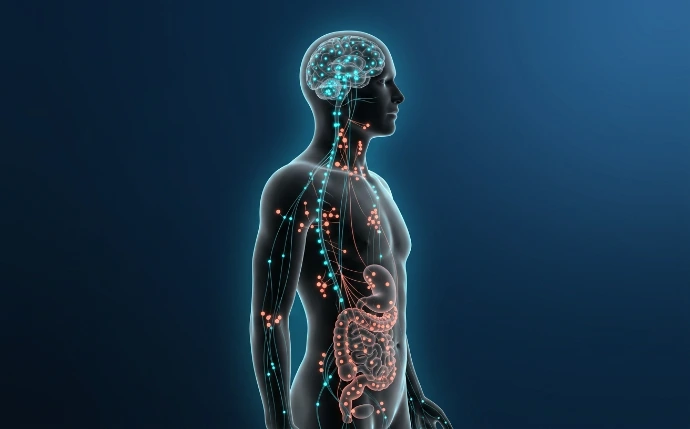
The endocannabinoid system is involved in pain, inflammation and the interplay between nerves and blood vessels. Researchers suspect that this system could be less active in migraine patients. Cannabis compounds such as THC and CBD act on the same receptors in the body.
THC is the psychoactive substance and can influence pain and nausea. CBD, by contrast, does not make you "high" and could have anti-inflammatory and calming effects; on its own it has so far shown no clear benefit in migraine, but in combination with THC it can improve tolerability.
Cannabis could therefore be a useful complement, especially when conventional preventive therapies do not help enough or are poorly tolerated. How well cannabis helps in the individual case varies from person to person. Medical supervision, clear dosing and follow-up monitoring remain decisive.
Evidence
An overview of the key studies on cannabis for migraine.
The highest-quality study: patients inhaled THC, CBD, a combination or a placebo during four attacks each. Two hours later, pain was considerably less frequent with the THC-CBD combination than with the placebo. No serious side effects occurred.
App-based analysis: more than 12,000 documented uses of cannabis point to relief of migraine pain. However, habituation effects and medication overuse headache can develop.
Legal situation
Access to medical cannabis is considerably easier today than it was only a few years ago. Medical cannabis has been available on prescription in Germany since 2017, and the change in the law in 2024 made access easier still for patients.
In migraine, use is in most cases outside the approved indication (off-label). Cost coverage by German statutory health insurance is assessed case by case; in practice, cannabis therapy for migraine is usually on a private prescription.
Process
Cannabis on prescription for migraine is generally possible in Germany if the medical assessment in the individual appointment concludes that it is suitable. The decision for or against cannabis therapy is always made by the treating doctor.
The course of your migraine, frequency of attacks, triggers, previous treatments and medication are discussed.
The doctor assesses whether medical cannabis is medically justifiable for the individual situation.
If the therapy is suitable, a prescription can be issued and the next steps explained.
Treatment starts cautiously and is adjusted according to effect and tolerability.
Progress, side effects and fitness to drive are reviewed regularly.
Context
Migraine is not about a one-size-fits-all strain or prescription. What matters is the pattern of attacks, daily rhythm, previous illnesses, interactions and the goal of therapy.
Frequently asked questions
These answers give you initial orientation. The specific assessment for your situation is made by the treating doctor.
Some patients experience fewer attacks, weaker pain or better sleep. In the Schuster study of 2024, a combination of THC and CBD showed considerably more pain relief than a placebo after two hours. How well cannabis helps differs greatly from patient to patient. Possible side effects are dizziness, a dry mouth and tiredness.
Whether cannabis can also contribute to preventing migraine is assessed by the treating doctor in the individual case, especially when conventional preventive therapies do not work well enough or are poorly tolerated. The available research so far relates mainly to use during an acute attack, for example the Schuster study of 2024. There is considerably less data on long-term prevention. With preventive use, any effect often only becomes apparent after a few weeks, according to experience so far. A reliable success rate cannot be derived from current research.
For migraine with aura, the same individual medical assessment applies as for migraine without aura. Whether cannabis therapy is an option is decided on the basis of the pattern of symptoms, previous illnesses, previous treatments and the individual situation. No general recommendation or contraindication for aura symptoms can be derived from this.
The right strain depends on the pattern of attacks and your daily routine. Strains with more THC are often used during an acute attack or in the evening. Strains with more CBD are suitable during the day when no psychoactive effect is wanted. Combinations with a fixed THC-CBD ratio are also possible. The right choice is discussed in the initial medical consultation.
Inhaled cannabis (with a vaporiser) usually works within a few minutes and lasts two to four hours. Cannabis oils or capsules work more slowly, after about 30 to 90 minutes, but last longer, six to eight hours. With preventive use, a stable effect usually only becomes apparent after a few weeks of proper adjustment.
Possible side effects are dizziness, a dry mouth, tiredness, mild problems concentrating and a temporarily faster heartbeat. If the THC dose is too high, drowsiness or feelings of anxiety can occur. In migraine there is an additional risk: if acute medication is taken too often, the body itself can develop headaches (medication overuse headache). Particular caution is needed with cardiovascular disease, previous mental illness or pregnancy.
The risk of physical dependence is considered low compared with opioids or benzodiazepines. With permanently high doses of THC, however, psychological habituation can develop. Under medical dose control within a therapeutic framework, this risk can be reduced considerably. Ending therapy should be done gradually and in coordination with the treating doctor.
Anyone whose reaction time is impaired by cannabis therapy must not take part in road traffic. Especially at the start of therapy and after dose adjustments, reaction time is often reduced. Recommendation: do not drive yourself during the first days of adjustment and, if in doubt, ask the treating doctor.
The total costs consist of the initial consultation, repeat prescriptions and the cannabis medications from the pharmacy. At Cureal the initial consultation costs €39, a follow-up appointment €29 and a repeat prescription €19. The monthly pharmacy costs depend on the strain and dosage and are discussed individually in the initial consultation.
Related topics
Migraine often occurs together with other conditions. These topics are closely linked.
Cannabis can act in a similar way here as in migraine, and the condition often occurs as an accompanying symptom.
Go to pageSleep problems increase the frequency of migraine attacks. Cannabis for sleep disorders has been well studied.
Go to pageDepressive symptoms are more common in chronic migraine. Here too, the body's own cannabinoid system can play a role.
Go to pageIf acute therapy or prevention does not help enough or is poorly tolerated, a medical consultation can clarify whether medical cannabis is an option for your situation.