Pain
Tumour-related or treatment-associated pain, often several types of pain at once.
Cureal treatment spectrum
Cancer can place a heavy burden on body and mind. Whether cannabis on prescription may be an option for cancer as supportive care for pain, nausea, loss of appetite or sleep problems is assessed by a doctor. Cannabis does not replace oncological treatment.

Context
In Germany around 518,000 people are newly diagnosed with cancer each year. According to estimates by the Centre for Cancer Registry Data at the Robert Koch Institute, about 276,400 new cases in men and 241,400 in women were registered in 2023. Thanks to modern diagnostics and therapy, more patients survive in the long term today, while accompanying symptoms persist that strongly affect quality of life and tolerance of treatment.
The development of cancer is a complex process: genetic predisposition, lifestyle factors such as tobacco, alcohol, diet and exercise, environmental factors and infections all play a part. Diagnosis and therapy are the responsibility of oncology.
Tumour-related and treatment-associated symptoms include pain, nausea and vomiting during chemotherapy, loss of appetite with disease-related weight loss (cachexia), sleep disorders, anxiety and low mood, as well as deep exhaustion.

Accompanying symptoms
These points do not replace oncological treatment. They show for which accompanying symptoms a medical assessment can be useful.
Tumour-related or treatment-associated pain, often several types of pain at once.
Nausea and vomiting, especially during chemotherapy, not always fully controllable despite standard medication.
Loss of appetite and disease-related weight loss (cachexia) can weigh on tolerance of treatment and general condition.
Sleep disorders and inner restlessness make recovery even harder.
Anxiety, low mood and deep exhaustion are common companions.
Because of possible interactions, treatment must be closely coordinated with oncology and accompanying medication.
Diagnostic work-up
Oncological diagnostics are entirely in medical hands. Cureal does not carry out oncological diagnostics but requires a confirmed diagnosis.
The diagnosis is made by specialists in oncology, haematology and the relevant organ-specific disciplines. It includes the medical history, physical examination, imaging, laboratory diagnostics and histological examination of tissue samples.
Cannabis therapy requires a confirmed oncological diagnosis and closely coordinated treatment management with oncology. Without this coordination no cannabis therapy is started.
Conventional treatment
Cancer therapy follows a clear scheme: primary therapy against the tumour itself, supportive therapy against the accompanying symptoms.
Surgery, chemotherapy, radiotherapy, targeted therapies and immunotherapies treat the tumour itself. Planning and delivery are exclusively the responsibility of oncology.
Aimed at the tumourAccompanying measures to relieve symptoms. These include:
Cannabis and supportive therapy
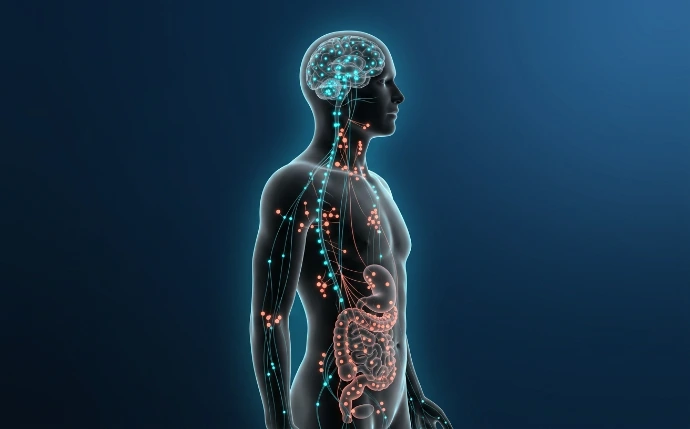
The endocannabinoid system is involved in pain, nausea, appetite, sleep and mood. These areas are particularly relevant in supportive oncology. The body's own cannabinoid system was discovered in 1992, and the first clinical studies on cannabis in oncology date back to 1975.
In cancer, THC binds to the same receptors in the body and is discussed above all in connection with nausea, stimulating appetite and pain modulation. Psychoactive side effects call for careful dosing, especially in older patients or those with previous illnesses.
Nausea and vomiting during chemotherapy are among the most common accompanying symptoms and are not always fully controllable despite standard medication. THC-dominant strains are used in particular for loss of appetite and nausea during chemotherapy, because THC acts on the same receptors that also regulate nausea and appetite.
CBD is not psychoactive. Anti-inflammatory, anxiety-relieving and sleep-promoting effects are being discussed. CBD-dominant strains may be considered during the day when no psychoactive effect is wanted. In combination products, CBD can influence the tolerability of THC. An anti-tumour effect in humans has not been demonstrated so far.
Evidence
Compared with other indications, the supportive role of cannabis in oncology has already been studied comparatively well.
According to estimates by the Centre for Cancer Registry Data at the Robert Koch Institute, around 518,000 people in Germany are newly diagnosed with cancer each year, about 276,400 men and 241,400 women.
In 2025 a research team led by Castle summarised the data on cannabis in oncology and analysed more than 10,000 publications. The strongest signal is in the supportive area (pain, nausea, appetite), and methodological limitations are documented.
Legal situation
Medical cannabis has been available on prescription in Germany since 2017. In oncology, cost coverage by German statutory health insurance is approved in many cases, especially for nausea and vomiting during chemotherapy, tumour-related pain and disease-related weight loss.
The usual prerequisites are a serious illness and evidence that standard therapies have not worked well enough. The application is assessed by the Medical Service of the health insurers, which is why careful documentation is important.
Process
The decision for or against cannabis therapy is always made by the treating doctor in the individual appointment.
The diagnosis, current oncological therapy, accompanying symptoms and medication are discussed. Close coordination with the treating oncologist is a prerequisite.
The doctor assesses whether medical cannabis is medically justifiable as supportive care.
If the therapy is suitable, a prescription can be issued and coordination with oncology discussed.
Dispensing at the pharmacy, a low starting dose and close supervision with monitoring of effect and tolerability.
Progress, side effects and fitness to drive are reviewed regularly.
Context
Oncology is not about a one-size-fits-all strain or prescription. What matters is the dominant accompanying symptoms, general condition, possible interactions and ongoing oncological therapy.
Frequently asked questions
These answers give you initial orientation. The specific assessment for your situation is made by the treating doctor in coordination with your oncologist.
No. There are currently no clinical studies in humans that demonstrate an anti-tumour effect of cannabis. Laboratory studies show indications that have so far not been transferable to treatment in humans. The Cancer Information Service of the German Cancer Research Center (DKFZ) summarises the state of knowledge neutrally. Cannabis may be an option in supportive therapy to relieve accompanying symptoms, but it is no substitute for oncological therapy.
Cannabis is not a tumour therapy. As a supportive measure it can influence accompanying symptoms such as nausea, pain, loss of appetite and sleep disorders. Some patients on cannabis report calmer sleep, less nausea and a better appetite. The response varies from person to person. The decision is always made in coordination with the treating oncologist.
The choice of strain depends on the dominant accompanying symptom and general condition. THC-dominant strains are used in particular for loss of appetite and nausea. CBD-dominant strains may be considered during the day when a psychoactive effect is to be avoided. Combination products allow a balance between effect and tolerability. The specific choice belongs in the medical consultation in coordination with oncology.
Inhaled cannabis (vaporiser) usually takes effect within a few minutes and lasts two to four hours, which can be relevant for acute nausea and breakthrough pain. Medicines taken by mouth, such as oils or capsules, work more slowly, after about 30 to 90 minutes, but last six to eight hours and are suitable for baseline therapy across the day.
Possible side effects are dizziness, a dry mouth, tiredness, mild problems concentrating and a temporary increase in heart rate. If the THC dose is too high, drowsiness or feelings of anxiety can occur. In cancer patients, particular caution is needed with previous cardiovascular disease, previous mental illness and accompanying medication. Interactions with chemotherapy drugs and other oncological substances are possible.
Compared with strong painkillers (opioids) and sedatives (benzodiazepines), the potential for physical dependence is low. With permanently high doses of THC, psychological habituation can develop. Under medical control and close supervision within a therapeutic framework, this risk falls considerably. Ending therapy should be done gradually and in consultation with the treating doctor.
Anyone whose reaction time is impaired by cannabis therapy must not take part in road traffic. Patients on medically prescribed therapy have a different legal position from recreational users, but must assess their own fitness to drive responsibly. Especially at the start of therapy and after dose adjustments, reaction time is often reduced. Recommendation: do not drive yourself during the first days of adjustment.
In oncology, cost coverage by German statutory health insurance is approved in many cases, especially for nausea and vomiting during chemotherapy, tumour-related pain and disease-related weight loss. The prerequisites are a serious illness and evidence that standard therapies have not worked well enough. In the initial consultation, Cureal supports you with the assessment and with the application.
A combination is often possible but requires close coordination with the treating oncologist. Interactions are possible in particular with chemotherapy drugs that are processed via the same metabolic pathway in the body. Interactions are also possible with accompanying medication such as antidepressants, sedatives or blood thinners. Before any change to therapy, all medicines currently being taken should be discussed openly.
Related topics
Accompanying symptoms of cancer overlap with other topics in the treatment spectrum.
Tumour-related pain shares mechanisms of action with other forms of chronic pain.
Go to pageLow mood is common in oncological care.
Go to pageSleep problems are widespread during cancer treatment, and the body's own cannabinoid system has been well studied here.
Go to pageIf pain, nausea, loss of appetite or sleep problems are a heavy burden despite standard treatment, a medical consultation can clarify whether medical cannabis may be an option as supportive care.