Attention
Concentration, getting started on tasks and keeping going can vary widely and should not be looked at in isolation.
Cureal treatment spectrum
ADHD belongs in psychiatric or psychotherapeutic care. Medical cannabis is not a first-line therapy. In adults, off-label use can be considered in individual cases if inner restlessness, sleep disorders or emotional dysregulation remain a significant burden despite standard therapy.
Context
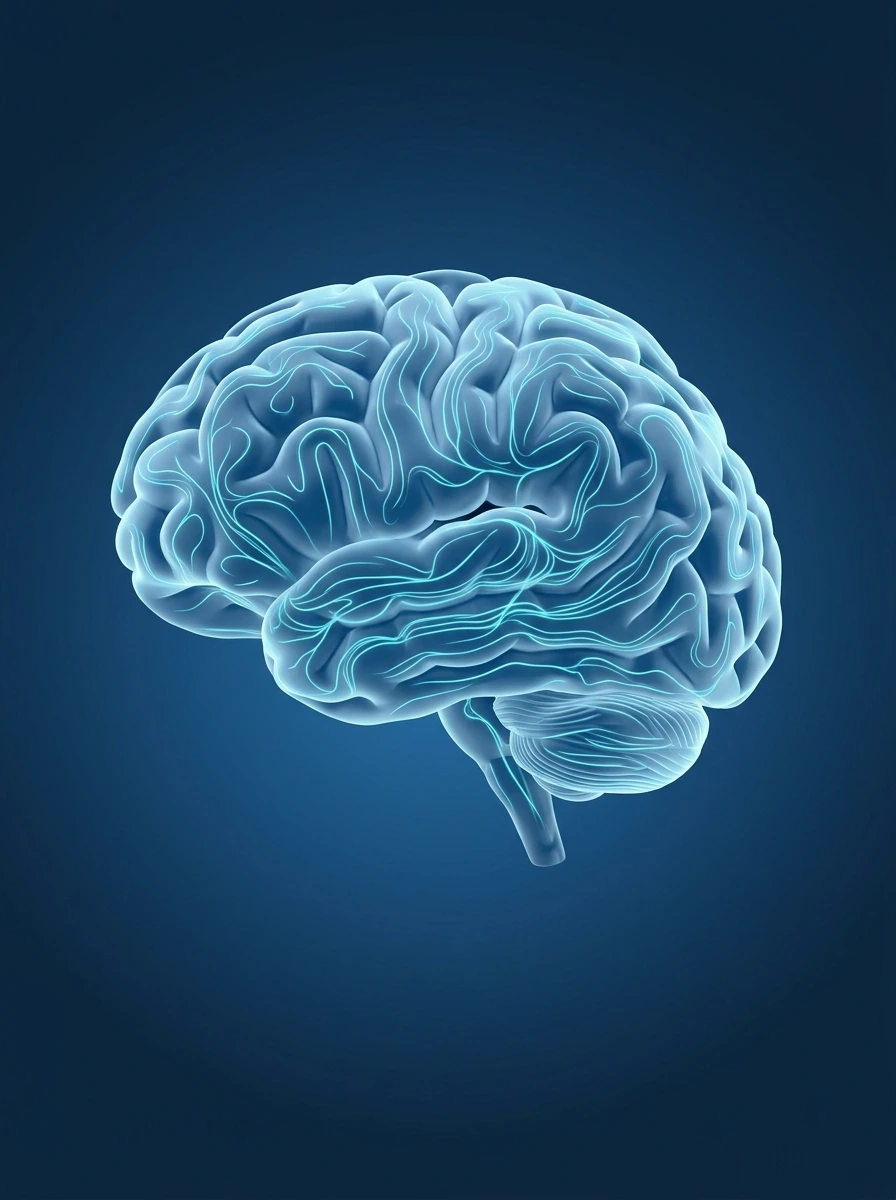
ADHD stands for attention deficit hyperactivity disorder, a neuropsychiatric disorder that usually begins in childhood and persists into adulthood in around two thirds of those affected. In adults, ADHD often presents differently from how it does in children: instead of physical hyperactivity, inner restlessness, difficulty organising everyday life and emotional dysregulation come to the fore. The methodological framework is provided by the German S3 guideline on ADHD from the medical societies.
In Germany an estimated three to five per cent of adults are affected. Exact figures are hard to determine because the diagnosis in adulthood is often made late or not at all.
Sleep disorders, anxiety disorders, depression and addiction occur considerably more often in adults with ADHD than in the general population. It is precisely these accompanying symptoms that can often be addressed in their own right, and they are among the focal points of a complementary cannabis therapy.

Symptom areas
The diagnosis, accompanying conditions, risk of addiction, current medication and specific target symptoms determine whether cannabis-based treatment is justifiable at all.
Concentration, getting started on tasks and keeping going can vary widely and should not be looked at in isolation.
Many adults describe constant tension, a feeling of being driven and difficulty winding down in the evening.
Problems falling asleep, high activity levels late in the day or side effects of stimulants must be assessed separately.
Marked irritability, impulsive reactions or feeling overwhelmed by stress are common reasons for treatment.
Forgetfulness, time blindness and a lack of structure remain primarily a matter for therapy, coaching and routines.
Anxiety, depression, substance use or sleep disorders influence whether cannabis is medically justifiable.
Diagnostic work-up
ADHD is not identified by a single test but through a structured assessment by a specialist.
The diagnosis is based on a detailed history of childhood and current symptoms, standardised questionnaires such as the WURS-k or the Conners scales, the exclusion of other mental illnesses with similar symptoms and an assessment of the impact on work, family and everyday life.
A reliable diagnosis is made by a specialist in psychiatry and psychotherapy. In the area of ADHD, Cureal works exclusively on the basis of an existing psychiatric diagnosis and in close coordination with the treating practice.
Conventional treatment
Treatment follows the German S3 guideline on ADHD and has several layers. Medical cannabis complements these building blocks but does not replace them.
Stimulants such as methylphenidate (e.g. Ritalin, Medikinet, Concerta) and lisdexamfetamine (Elvanse) are the first-line therapy and work well for many patients, but can cause sleep disorders, loss of appetite or emotional blunting. If they are poorly tolerated or contraindicated, non-stimulants such as atomoxetine or guanfacine may be considered.
First line: stimulantsBehavioural therapy focusing on structure, mindfulness and self-regulation, together with ADHD coaching for organising everyday life, are an integral part of treatment. In addition there are effective lifestyle measures:
Cannabinoid system
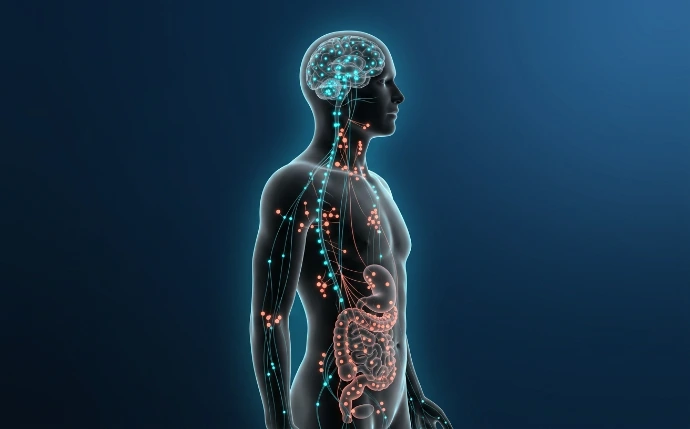
The endocannabinoid system is involved in stress processing, mood, sleep and attention. The body's own receptors where cannabis acts are located, among other places, in the prefrontal cortex, which plays a central role in ADHD. This very breadth of function explains why cannabis is discussed for accompanying symptoms of ADHD.
CBD-dominant medications are associated with calming and sleep-promoting effects and can be a useful addition for persistent inner restlessness and sleep disorders. THC-containing medications may also be considered in the evening to promote sleep, provided there are no contraindications.
THC-containing products and THC-CBD combinations are used off-label mainly for emotional dysregulation and stress. Some patients report a more structured, calmer everyday life, which may indirectly affect their ability to concentrate. How strong the effect is varies from person to person and is established under medical supervision.
Evidence
Compared with chronic pain or epilepsy, the research is still limited, but it increasingly provides indications of positive effects on accompanying symptoms.
Observational data such as the analysis by Hergenrather et al. 2020 also point to possible benefits, for example a stimulant dose reduced over time.
A randomised controlled pilot study with Sativex (a THC-CBD combination) in adults with ADHD. There were trends towards improvement in attention and hyperactivity-impulsivity, without a statistically significant effect on the primary endpoint.
The review summarises a growing number of self-report studies in which adults with ADHD report improvements in inner restlessness, sleep and mood. Further controlled studies with standardised active substances are considered necessary.
Legal situation
Medical cannabis has been available on prescription in Germany since 2017, and the change in the law in 2024 made access easier still for patients.
There is no approved finished cannabinoid medicine for ADHD. It is used exclusively outside its approved indication (off-label), based on an individual medical decision. Cost coverage by German statutory health insurance is assessed case by case and is not the rule; most patients pay for cannabis therapy privately.
Process
The decision should fit in with psychiatric treatment and be based on the diagnosis, target symptoms, risks and medication plan.
An existing ADHD diagnosis, previous findings and current treatment are reviewed.
Inner restlessness, sleep, emotional dysregulation, concentration and limitations in everyday life are discussed in a structured way.
Stimulants, atomoxetine, guanfacine, sleeping pills, antidepressants and other medicines are checked for risks.
Anxiety, risk of psychosis, history of addiction, fitness to drive and professional demands are explicitly taken into account.
Effect, side effects, sleep, daytime functioning, concentration and feedback from the treating practice are monitored.
Context
There is no standardised cannabis medication for ADHD as a routine therapy. The active substance, dose and time of intake are therefore aligned particularly closely with target symptoms and risks.

Frequently asked questions
These answers give you initial orientation. The specific assessment for your situation is made by the treating doctor.
In adults with ADHD, medical cannabis can above all ease accompanying symptoms such as inner restlessness, sleep disorders and emotional dysregulation. Some patients also report a calmer everyday life, being better able to structure their day and an indirect improvement in concentration. Taken together, study data and patient reports point to a positive effect, but the body of research is smaller than for pain or epilepsy. The actual effect varies from person to person and is reviewed over the course of therapy.
The choice is made individually in the initial consultation. CBD-dominant medications come first because they are not psychoactive, are easy to adjust and can be used during the day. THC-containing medications are used mainly in the evening, for example with marked inner restlessness or sleep disorders. Combination products with a balanced THC-CBD ratio can be adjusted individually, including spread across the day.
With CBD-containing medications an initial response can usually be assessed after a few days to two weeks, and full adjustment generally takes four to six weeks. THC-containing medications act on the day they are taken, and the right dose is found over two to four weeks. At the follow-up appointment after two to four weeks we adjust the dose together.
With medical cannabis prescribed by a doctor at a therapeutic dose, the potential for dependence is low. It is important not to mix therapy with recreational use. Particular caution is needed in patients with a current or past addiction. This is exactly what is covered in the medical history and in ongoing care.
A combination with stimulants or atomoxetine is possible in many cases but requires careful medical coordination. Interactions mainly concern sleep, appetite and circulation. Some patients reduce their stimulant dose over the course of cannabis therapy in coordination with the psychiatric practice. Changing your existing medication on your own initiative is not advisable.
With medical cannabis prescribed by a doctor you are generally allowed to drive, provided you feel fit to drive and the therapy is stably adjusted. Especially at the start of therapy and after dose adjustments, your reaction time may be reduced. We recommend not driving yourself during the first days of adjustment. In the initial consultation we clarify the individual requirements and, if needed, issue a therapy certificate.
Related topics
ADHD often occurs together with other conditions. These topics are closely linked.
ADHD and sleep disorders often occur together, and cannabis therapy can be considered for both.
Go to pageDepressive episodes are a common accompanying condition of ADHD and can be treated in addition.
Go to pageGeneralised anxiety disorders and inner restlessness overlap with ADHD in their symptoms and treatment options.
Go to pageIf inner restlessness, sleep problems or emotional dysregulation are a burden despite existing ADHD treatment, a medical consultation can clarify whether medical cannabis is justifiable in your case.